
How to Choose the Right Commercial Glass Company in Joplin, MO

How to Choose the Right Commercial Glass Company in Joplin, MO Your storefront glass, office doors, and windows tell customers who you are before anyone says a word. When one of them cracks, fogs, or fails a security check, you need help fast, and you need the job done right. A search for a commercial glass company in Joplin, MO, brings up many names, but not every company can handle the size and detail of a business project. This guide shows you how to compare your options with clear steps. You will learn what to check, what to ask, and what to avoid, so you can hire a team you trust and protect your property for years. Why Does the Right Glass Partner Matter for Your Business? Glass does more than fill a gap in a wall. It controls how much light enters your space, how well your property holds heat, and how safe your staff and guests feel each day. A poor install can leak air, raise your energy bills, and leave weak spots that thieves or storms can exploit. A strong glass partner treats your property like a long-term project, not a one-time sale. The right team gives honest advice, uses quality products, and stands behind the work. That level of care saves you money and stress, and it keeps your business sharp for every customer who walks through the door. How Do You Check Experience and Local Reputation? Start with years in business and the types of projects a company has finished. A shop that has worked on offices, retail stores, and restaurants knows the common problems each one faces. Ask to see photos of past work. A gallery of real jobs tells you more than any sales pitch, because you can judge the finish with your own eyes Next, read online reviews on Google and local business sites. Look for steady praise about on-time arrival, clean work, and fair prices. Notice how the owner replies to complaints. A company that fixes problems with a polite tone shows you how it will treat you if something goes wrong on your job. When Should You Repair and When Should You Replace? A small chip or a single cracked pane often calls for a simple repair. A good technician checks the frame, the seal, and the glass edge to find the real cause of the problem. If the damage is minor, repair saves you money and time, and it keeps your daily routine on track. Replacement makes sense when glass fogs between the panes, when a crack spreads, or when your energy bills climb. Old windows lose their seal and let heat escape. An honest company tells you the truth, even when the answer is a cheaper fix. Be careful with any shop that pushes full replacement on every call. What Commercial Glass Services Should a Full Service Company Offer? Business needs change, so choose a company that covers a wide range of work. One vendor for every glass need keeps your schedule simple and your records in one place. The commercial page at Reliable Glass lists six core services, which makes a handy model for what a complete shop offers: Office glass partitions that bring in natural light and cut noise Commercial window replacement with insulated and Low-E glass Glass doors and entry systems, including automatic sliding doors Glass curtain walls for offices, retail spaces, and tall buildings Safety and security glass, including tempered, laminated, and bullet-resistant options Custom glass for shelves, display cases, and decorative walls A company that covers this list can handle repairs, upgrades, and new projects without a handoff to someone else. That saves you time on every future call. Which Glass Types Fit Your Business Needs? Different spaces need different glass. A storefront needs strength against impact and forced entry, so tempered or laminated glass works well. A bank or a high-risk site may need bullet-resistant panels. Offices that face the sun gain from low-e coatings, which block heat and protect your furniture and floors. When you talk with any provider of commercial glass in Joplin, MO, ask the team to explain why they suggest each type. A good expert explains the trade-offs in plain words, including cost, strength, and energy savings. If a company cannot explain its advice clearly, keep looking. How Does Energy Efficiency Affect Your Choice? Windows and glass walls shape your heating and cooling costs more than most owners expect. Insulated glass units hold a layer of air or gas between two panes, and that layer slows heat flow. Low-E coatings reflect heat back to its source. Together they keep rooms steady in summer and winter. Ask each company how its glass options cut your utility bills and how long the payback might take. A good team gives you real numbers for your building, not a vague promise. Better comfort for staff and customers is a bonus that shows up on day one. How Do You Compare Quotes the Right Way? Get at least three written quotes for the same scope of work. Check that each one lists the glass type, the size, the framework, the labor, the removal of old glass, and the start and finish dates. The lowest number is not always the best deal. Cheap quotes often leave out key items that show up later as extra charges. Free estimates are common among trusted providers of commercial glass in Joplin, MO, so you should not pay just to get a price. Ask about warranty terms on both the product and the labor. A clear warranty shows that the company expects its work to last. Take time to read every line, and ask the company to explain any term you do not understand before you sign anything. Can the Company Work Without Disrupting Your Business? Downtime costs money. A good company plans the job around your hours, your staff, and your customer flow. Many projects run after close or in small phases so your doors
Window Replacement in Blue Springs, MO: A Homeowner’s Guide
Window Replacement in Blue Springs, MO: A Homeowner’s Guide A cracked pane or a foggy window is easy to ignore until the drafts start and the energy bill jumps. Then the question gets harder: fix it or replace it? If you need window replacement in Blue Springs, MO, this guide shows you how to judge the damage, pick the right fix, and avoid extra costs. You will also see what a good estimate looks like and how to prepare before you call a local glass team. How Do You Know It Is Time for a New Window? Windows tell you when they struggle. Look for these signs: Cracked or broken glass that lets in air and water Fog or moisture between the two panes of glass A frame that has warped or no longer fits Cold drafts, high energy bills, or a window that sticks One problem often means a simple repair. Three or four problems usually mean the whole window has reached its limit. Should You Repair the Glass or Replace the Whole Window? Many people assume a broken window needs a new window. Often it does not. If only the glass broke, a glass pro could swap the glass and keep your frame. Go with a full replacement when the frame is bent, soft, or hard to open and close. Also pick it when you want a major upgrade in comfort. A good glass company checks both the glass and the frame before it gives you a straight answer. Why Do Double-Pane Windows Fog Up? A double-pane window has two sheets of glass sealed together with air or gas between them. Over time, the seal breaks. Moist air slips in, and you see fog you cannot wipe away. Good news: you may not need a new window. If the frame still works, a glass shop can often replace just the sealed glass and leave the frame alone. What Glass Choices Should You Ask About? Ask about insulated glass units. This is the plain name for the sealed double-pane glass above. It helps keep rooms comfortable and cuts energy loss. Also ask about the look and fit, because custom glass can match many window sizes and shapes. A good installer explains every choice in plain words. If you hear a term you do not know, ask what it means. What Does Window Replacement Involve for Blue Springs Homes? A typical window replacement in Blue Springs, MO, job starts with a simple look at what you have now. The team checks the glass, the frame, and how the window opens and closes. Send photos and basic measurements if you can, since they save time. Next, you get a clear estimate that explains your options. You approve the plan, the crew does the work, and then they check that the new glass fits and works right. What Should You Look for in a Local Glass Company? Pick a team that does both repairs and full replacements. That way, the advice fits your window and not a sales goal. Experience counts too. Reliable Glass, for example, lists 37 years in the glass trade and offers both repair and replacement. Ask these questions before you hire anyone: Will I get a written estimate? Can you check the problem in person or by photo? Who measures the window, and who installs it? Do you tell me when repair is enough? How Does a New Window Help Your Home? The window replacement Blue Springs, MO, owners choose can cut drafts and even out the temperature from room to room. Newer sealed glass also blocks some street noise, so your home feels quieter. New windows also lift your curb appeal. That means how good your home looks from the street. Can One Glass Team Handle Other Projects Too? Often, yes. The Blue Springs team also works on shower enclosures, mirrors, tabletops, and shelves. If you want to redo a bathroom or add a custom mirror, you can handle it in one call. Business owners can ask about storefront glass, glass doors, and glass office walls. Is Window Replacement Only for Old Homes? No. A newer home can need new glass after a break, a crack, or a failed seal. The condition of the glass and frame matters more than the age of the house. A quick check tells you if your window still does its job. If it does, you can wait and spend that money on another project. Who Does the Blue Springs Team Serve? The Blue Springs location serves homeowners, property managers, contractors, and business owners. Kansas City counts as part of the wider service area, but it has no store. Call first to confirm service for your address. The office is open Monday through Friday and closes on weekends, so call on a weekday. How Can You Prepare Before You Call? Take clear photos of the damaged window from inside and outside. Measure the width and height. Note any cracks, fog, or cold drafts. Write down how old the window is and when the problem began. Keep your phone nearby so the team can reach you with questions. Why Should You Get an Estimate First? An estimate lays out the work, your options, and the cost before anyone starts. You can compare a glass-only fix with a full replacement and decide with real numbers. Ask what the estimate covers, such as glass, hardware, and the final fit check. If a company cannot explain its advice, get a second opinion. What Mistakes Should You Avoid? Do not wait for a small crack to spread or for fog to get worse. Act early and you may avoid a bigger job later. Do not choose a company on price alone. Compare the advice, the experience, and how clear the estimate is. Final Thoughts Windows rarely fix themselves, so act early. Check the glass and the frame, decide between a repair and a full replacement, and get a clear estimate. Take your time, ask plain questions,
What Is a Round Glass Tabletop and How Is It Used?

What Is a Round Glass Tabletop and How Is It Used? A round glass tabletop is a flat, circle-shaped piece of glass that sits on a base to form a table. You see them in kitchens, home offices, cafes, and on patios. They look light, they wipe clean in seconds, and they fit small rooms better than most square tables. This guide explains what they are made of, where people use them, and how to choose one that fits your space and budget. It also covers care and safety, so you know what to expect before you buy. What Is the Glass Made Of? Most tops come in one of two types of glass. Annealed glass is the basic kind. It cools slowly at the factory, so it costs less, but it breaks into sharp pieces. Tempered glass gets heated and then cooled fast, which makes it about four times stronger. For a table, tempered is the better pick. When it breaks, it crumbles into small, dull bits instead of long shards. That one detail matters a lot if kids or pets share your home. Where Do People Use This Type of Table? You can put one almost anywhere. The shape fits a tight corner as well as a wide-open room. Here are the spots where people use them most: Family tables for four to six people Breakfast nooks and kitchen corners Coffee tables and side tables next to sofas Home office desks and small conference tables Cafe and patio tables Many stores also use them as display tables, since customers can see the products from every side. How Do Offices and Shops Use This Table? Offices use small ones for quick chats and large ones for team talks. Everyone sits the same distance from the center, so nobody feels left out of the talk. Salons, cafes, and showrooms like the fresh look. Staff wipes it down between guests in under a minute, and the clear top lets the base or a nice floor show through. Why Do People Choose a Round Shape? A circle has no sharp corners. That makes it easier on kids and on anyone who squeezes past it in a tight room. It also puts every guest in view of the others, so the conversation flows. Round tables also save floor space. You can slide chairs in from any side, and a small kitchen feels bigger. The curve also softens a room full of straight lines. Does a Glass Top Make a Room Look Bigger? Yes, in most cases. Clear glass lets light and your eyes pass right through, so the table does not block the room the way a solid wood top does. That is why designers like glass tops in small apartments, narrow kitchens, and sunrooms. The base still sets the tone, so pick one that matches the rest of your furniture. How Thick Should the Glass Be? Thickness depends on the size of the top and how you use it. A glass top that is too thin can flex or crack, so the wider the circle, the thicker the glass should be. Diameter Common Thickness Typical Use 24 to 30 inches 3/8 inch Side tables 36 to 42 inches 1/2 inch Coffee and bistro tables 48 to 60 inches 1/2 to 3/4 inch Large family tables Thicker glass costs more, but it feels solid and handles weight better. For a family table, most people pick tempered glass that is half an inch thick or more. What Edge Styles Can You Choose? The edge is the cut around the rim of the glass. A flat polish gives a clean, modern look. A beveled edge has an angled cut that catches the light. A pencil edge is soft and rounded, and it works well in homes with kids. Most glass shops cut and polish edges to order, so a custom size is easy to get. Ask to see edge samples first. A style that looks fine in a photo can feel very different in your hand. How Do You Pick the Right Size? Start with the base and the room. The glass should stick out past the base by two to four inches on each side, so the table looks balanced. Leave about three feet of open space around the table for chairs and foot traffic. Here is a quick size guide for a round glass tabletop: 30 inches seats two people 36 inches seats two to three people 42 inches seats three to four people 48 inches seats four to five people 60 inches seats six to eight people What Kind of Base Works Best? A round glass table top needs a base that matches its size and weight. A pedestal base, which is one thick center post, is a popular pick because it keeps legs out of the way and gives guests more room to sit. Metal, wood, and stone bases all work. Metal gives a modern look, wood adds warmth, and stone adds weight for large tops. Whatever you choose, make sure the base is wide enough to keep the table steady. How Do You Measure for a Custom Top? Measure across the widest point of the circle, then check it again from a second and third angle. Write the size down in inches and note the thickness you want. Even a small error can leave a gap or an uneven edge. Many people take a paper template to a local shop such as Reliable Glass, so the cut matches the base. A template also helps you check the shape and the hole for any center post. Can You Use One Outdoors? Yes. Tempered glass handles sun, rain, and mild swings in temperature. Just set it on a base made for outdoor use, since indoor bases can rust or tip. Wind is the biggest problem. Rubber pads or clips hold the glass in place. Wipe off dust and pollen often, and move loose tops indoors before a storm. How Can You
Shower Door Installation Guide: From Measurement to Final Fit
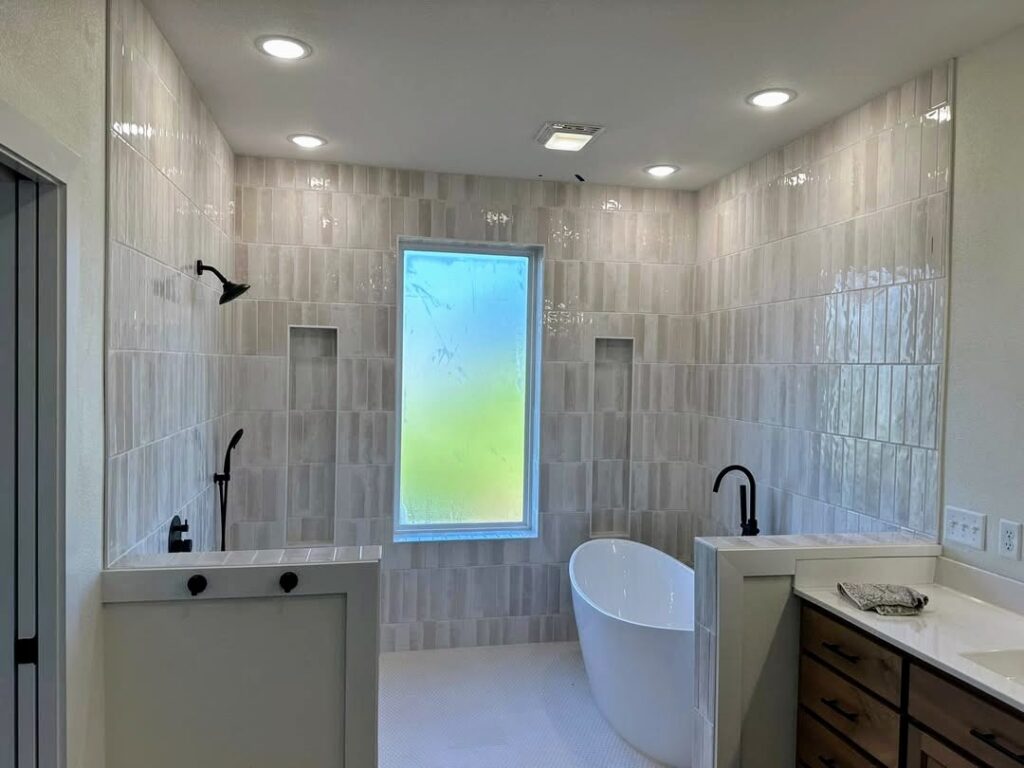
Shower Door Installation Guide: From Measurement to Final Fit A shower door changes how your bathroom looks and works every day. A good fit keeps water inside, glides with ease, and lasts for years. A poor fit leaks, sticks, and wears out fast. This guide covers each stage of Shower Door Installation, from the first measurement to the final seal along the glass. You will learn how to pick a style, measure your space, prepare the area, set the door, and test the result. Each step uses plain language so you can plan with confidence, whether you do the work yourself or want to know what a pro should do. What Types of Shower Doors Can You Choose? Three main styles fit most bathrooms. Hinged doors open out like a room door and suit wide spaces. Slider doors glide on a track and save floor space in tight bathrooms. Pivot doors turn on a center point and work well when the space is odd in size. Next, choose between framed, semi-frameless, and frameless glass. Frameless glass looks clean and modern, but it needs thicker glass and strong hardware. Framed doors cost less and forgive small errors in the wall. How Thick Should the Glass Be? Frameless doors usually use glass that is three-eighths or one-half inch thick. Thicker glass feels solid, resists wobble, and handles daily use well. Framed doors can use thinner glass, often one-quarter inch, because the frame adds support. Pick a finish that fits your style. Clear glass makes a small bathroom feel larger. Frosted or textured glass adds privacy and hides water spots. Tempered safety glass is the standard choice, since it breaks into small, dull pieces. How Do You Measure for a Shower Door? Accurate numbers decide the whole job. Walls are rarely straight, so measure in three places. Measure the width at the top, middle, and bottom of the space. Measure the height on the left, center, and right side. Use the smallest number from each set. Write every number down in inches, to the nearest eighth. Check the walls with a level to see if they lean. A wall that leans by more than a quarter inch needs a custom cut or a wider frame. Take a photo of the space and share it with your supplier. Good measurements make Shower Door Installation much easier. What Tools and Prep Work Do You Need? Gather a drill, a level, a tape measure, painter’s tape, a pencil, silicone sealant, and a caulk gun. Wear gloves and safety glasses because glass edges are sharp. Ask a helper to join you, since a glass panel is heavy and awkward. Clean the curb and walls until they are dry and free of soap scum. Remove old caulk and any rough spots. A clean base lets the track and sealant hold tight. How Do You Set the Door Step by Step? A steady plan keeps the job smooth. Here is the usual order for Shower Door Installation on a standard frameless or semi-frameless unit. Mark the wall where the hinge or track will sit, and check it with a level. Drill pilot holes and press in the wall anchors. Attach the bottom track or the hinge brackets. Lift the glass into place with your helper and hold it steady. Tighten the screws a little at a time and check how the door moves. Add the handle and the door sweep at the bottom edge. Never force a screw or a panel. Glass can crack if you tighten hardware too hard, so stop when the part feels snug. How Do You Seal the Door and Stop Leaks? Run a thin line of silicone along the outside edge of the track and the wall joints. Keep the inside edge bare so water can drain back into the shower. Smooth each line with a wet finger for a neat finish. Fit the vinyl sweep and the magnetic strip on the door edge. These parts close the small gaps where splashes escape. Let the silicone cure for at least 24 hours before you use the shower. Keep the glass dry during that time. How Do You Check the Final Fit? Open and close the door several times. It should move smoothly, stop gently, and close flat against the wall or the glass panel. Look for even gaps along every edge. Make sure the handle feels firm, and the hinges hold. Run water over the door for a few minutes. Watch the floor outside the shower for drips, and wipe the seams with a dry towel to find slow leaks. If water escapes, adjust the sweep or add a small bead of silicone. What Mistakes Should You Avoid? The biggest mistake is a rushed measurement. A quarter-inch error can leave a gap or jam the door. Measure twice, and write the numbers on paper. Other common errors include a skipped level check, wrong wall anchors, and silicone on the inside edge of the track. Each one can cause leaks, noise, or a door that sags over time. Slow down, read the hardware guide, and test each step. Should You Hire a Pro or Do It Yourself? A skilled homeowner can handle a framed door with basic tools. Heavy frameless glass is harder, since one slip can break an expensive panel. Local glass shops, such as Reliable Glass in Joplin, handle this work daily and know how to fit glass to uneven walls. Weigh the risk before you decide. If your walls are crooked or the glass is custom cut, a pro can save time and prevent costly mistakes. If the job feels simple, a careful DIY approach can work. How Do You Care for a New Shower Door? Wipe the glass with a squeegee after each shower. This step stops water spots and mineral buildup. Use a soft cloth and a mild glass cleaner once a week. Avoid harsh powders and scrub pads, because they scratch glass and wear off coatings. Check the
Shower Door Repair Tips Every Homeowner Should Know
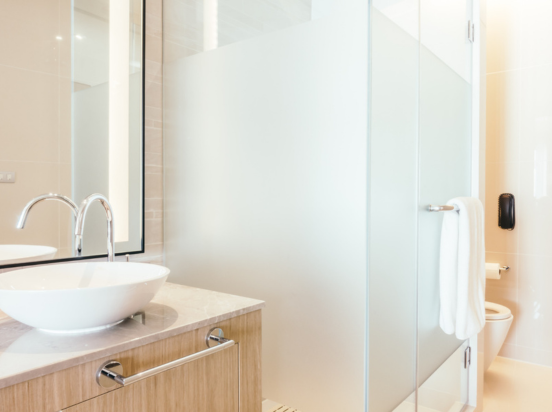
Shower Door Repair Tips Every Homeowner Should Know A shower door does more than keep water inside the stall. It adds style to the room and protects your floor from splashes every time you shower. But hinges loosen. Tracks fill with grime. Seals wear thin and stop doing their job. Shower door repair does not always mean a full replacement. Most problems have a simple fix, and you can often handle them yourself with a few basic tools. Here is what actually works, based on the most common issues homeowners run into. Signs Your Door Needs a Look Problems rarely show up out of nowhere. Watch for these warning signs before the door stops working right: Water pools on the floor outside the shower after you finish The door sticks or feels hard to push open Rust or dark spots show up on the hinges and track The glass has a crack or chip somewhere along the edge A musty smell hangs around the bottom seal See two or three of these at once? Take a closer look now instead of waiting for the door to get worse. Try These Fixes First Most shower door trouble comes down to dirt, not damage. Soap scum and hard water build up in the track over time and block the door from moving the way it should. Mix white vinegar with warm water, scrub the track with an old toothbrush, then rinse and dry it. Test the door again. That alone fixes more problems than people expect. Loose screws cause a lot of wobble too. Grab a screwdriver and check the hinges, handle, and track brackets. If a screw hole feels stripped and the screw just spins, pack the hole with a bit of wood filler, or swap in a slightly thicker screw. Small fix, big difference. Fix a Door That Won’t Slide Right Sliding doors run on small wheels that sit inside the top track. Those wheels flatten and crack with age, and once they do, the door drags or pops right off the rail. Most hardware stores stock replacement wheels for the common shower door brands, and the swap takes about twenty minutes with a screwdriver and some patience. Before you buy new wheels, check the track itself. A bent or dented track causes the exact same drag, even with brand new wheels installed. Wrap a cloth around a pair of pliers and press the bent section back into shape. Slide the door a few times to check your work. When Should You Call a Pro? Not every problem belongs to a weekend project list. So when do you stop and pick up the phone instead? A deep crack, a chip near the edge, or any sign the glass has stress fractures means the panel needs full replacement, not a patch job. Tempered glass can shatter with no warning once it weakens, and that turns a small annoyance into a real safety risk. A crew like Reliable Glass can look at the panel and tell you straight whether it needs a repair or a swap. Leaks that keep coming back after you reseal the door point to a deeper problem with the frame, not the seal itself. Same goes for hinges that loosen again a week after you tighten them. A trained eye catches frame issues that most of us miss on our own. Keep It Running Smooth A one-minute routine after every shower keeps most problems from starting in the first place. Stick to these habits: Run a squeegee over the glass and track once you step out Give the track a real scrub once a month before grime builds up Check the hinges and handle every couple of months for wobble Dry the bottom seal so mold and mildew don’t get a chance to grow None of this takes long. But skip it for a few months, and you will feel the difference the next time the door sticks. Final Thoughts Shower door repair usually comes down to one thing: catch the small stuff early. A clean track, tight screws, and a quick check every so often keep most doors working fine for years. Once you hit a deep crack, a leak that won’t quit, or a panel that just will not budge, that is your sign to bring in someone who does this for a living. Reliable Glass handles exactly this kind of call, and a second opinion from a team that sees these doors every day can save you from guessing. Stay on top of the small fixes, and your shower door will hold up far longer than you think. Frequently Asked Questions Can I fix a cracked shower door myself?A small chip along the edge can sometimes get smoothed down with a glass repair kit. A deep crack in tempered glass needs a full panel swap, not a patch. Why does my door still leak after I clean the seal?A worn or stretched seal lets water through no matter how clean it is. At that point, the seal itself needs to go, not just a scrub. How often should I clean the tracks?Once a month, vinegar and warm water keeps grime from building up and helps the door glide the way it should. Why did my sliding door pop off the track?Flat wheels, a bent track, or a loose screw are the usual reasons. Check all three before you decide which part needs work. Is repair cheaper than replacement?Almost always, yes. New wheels, screws, or a seal cost far less than a full door. Save a replacement for cracked glass or a frame that just won’t hold up anymore.
Window Replacement Ideas That Can Transform Your Home
Window Replacement Ideas That Can Transform Your Home Old windows do more damage than most homeowners realize. They leak air. They fog up. They make a room feel cold even when the heat runs all day. A good window replacement fixes these problems, and it also changes how a house looks from the street. You do not need to guess at what works. A few smart choices can turn a tired home into one that feels new again, and most of those choices cost less than you think. Why Old Windows Cost You More Than You Think Old windows rarely seal the way they used to. Gaps form around the frame over years of heat, cold, and wear. That gap lets warm air escape in winter and cool air escape in summer. Your furnace and air conditioner pick up the slack, and your bill goes up each month without much warning. Water finds those same gaps. It seeps into the wood, and mold follows close behind. By the time you spot the damage, a patch job will not cut it. Full replacement becomes the only real fix, and it often costs less than a string of repeat repairs. Pick Glass That Works for Your Climate Not all glass works the same way. Double-pane glass traps a layer of air between two sheets, and that air slows heat from moving through the window. Triple pane goes one step further for homes in harsh climates, where winter cold or summer heat push hard against every window in the house. Low-E coatings add a thin, invisible layer that bounces heat back where it came from. In summer, it keeps heat outside. In winter, it holds heat in. You still see through the glass clearly. Nothing about the coating dims the view or changes how a room looks in daylight. Choose a Frame That Lasts Frame choice matters as much as glass choice, and it shapes both your budget and your upkeep routine for years to come. Vinyl frames shrug off moisture and need almost no maintenance Wood frames look warm and classic but need fresh sealant every few years Fiberglass frames hold up well and rarely warp Aluminum frames suit large modern designs but conduct more heat and cold Cost varies a lot between these four options, so think about your climate first. A humid area favors vinyl or fiberglass. A dry, mild climate leaves more room for wood, since rot and warping happen less often there. Let More Light Into the Room A bigger pane changes a room fast. Slim frames and wide glass let daylight pour in, and a dim room suddenly feels open. You may not need to flip a switch until evening, and that alone can trim a chunk off your electric bill over a full year. Bay windows and picture windows work well in a kitchen or living room, where a wide view outside adds real character. One strong window can become the focal point of the whole room, and it often draws the eye before anything else in the space. A room with more light also feels bigger on paper listings, which matters if you plan to sell down the road. Match the Style to Your House A window should fit the house, not fight it. A craftsman home looks right with divided light windows. A modern build calls for clean lines and a single sheet of glass, without the extra grid lines that older styles use. Casement windows crank open wide and let in strong airflow. Double-hung windows suit almost any home and give you a classic look that never really goes out of style. Sliding windows fit well in tight spaces where a swing-out sash would not work, such as above a kitchen counter or near a patio door. Small Touches Boost Curb Appeal New windows change the outside of your home too. Fresh trim and the right hardware finish the look, and buyers notice these small touches even if they cannot name what changed. Pick a trim color that stands out slightly against the siding Choose grille patterns that match your home’s style Match hardware finish to your door handles and light fixtures None of these details cost much on their own, but together they pull the whole exterior into focus. A house with mismatched trim and hardware looks unfinished, even with brand new glass in every frame. Comfort and Resale Value Go Up Together New windows pay you back twice. First, rooms hold heat and cold air better, so drafty spots disappear near couches, beds, and desks. Second, buyers notice. Real estate agents often say updated windows signal a well-kept home, and that raises interest fast during a showing. A solid window replacement project can boost resale value when you decide to sell, often more than a paint job or new landscaping alone. Cut Down on Outside Noise Thicker glass blocks more than heat. It muffles sound too. Traffic, barking dogs, and loud neighbors fade into the background once better glass sits in the frame, and that shift shows up fastest in bedrooms that face a busy street. Laminated glass takes this further. It adds a layer built to dampen sound waves. Anyone who works from home or has a light sleeper in the house will notice the difference right away, sometimes within the first night after installation. How Weather Shapes Your Window Choice Weather plays a bigger role in window choice than most people expect. A house in a windy region needs a tighter seal and a sturdier frame, or gusts will find every weak point within a year or two. A house in a hot, sunny spot benefits more from Low-E glass, since it blocks heat before it ever reaches the room. Rain and humidity matter too. Frames that trap moisture invite rot and mold, so a wet climate calls for vinyl or fiberglass over painted wood. None of this means you skip style. It just means you pick a
7 Signs You Need Residential Window Glass Repair in Joplin
7 Signs You Need Residential Window Glass Repair in Joplin Joplin homeowners deal with strong summer heat, cold winters, and sudden storms that test every window in the house. Over time, these conditions cause damage that goes beyond a small scratch on the glass. If you notice drafts, cracks, or fog between panes, your home may need residential window glass repair soon. If you ignore these problems, your energy bills rise, and your family’s safety is at risk. This guide walks you through seven clear signs that tell you when it is time to call a professional and fix the glass before small issues turn into costly repairs. 1. Cracks or Chips in the Glass A crack that starts small can spread fast once the weather changes. Hot days followed by cool nights make the glass expand and contract, and a tiny chip often grows into a long crack within weeks. Do not wait until the crack reaches the edge of the frame, since a full pane replacement costs more than a quick fix. 2. Drafts Near the Window Frame Hold your hand close to the window on a windy day. If you feel air move through the frame, the seal has failed and cold or hot air enters your home. This wastes energy and forces your heating and cooling system to work harder than it should. 3. Foggy or Cloudy Glass Between Panes Double-pane windows trap gas between two layers of glass to keep your home insulated. When you see fog or moisture between the panes that will not wipe away, the seal has broken, and the gas has leaked out. This means the window no longer insulates your home the way it should. 4. Higher Energy Bills A sudden jump in your power bill often points to a window problem. Damaged glass or a broken seal lets outside air enter your home, so your furnace or air conditioner runs longer to keep the temperature steady. A licensed professional can confirm if residential window glass repair will lower your bill or if the frame itself needs work. Compare your bill from the same month last year to spot a pattern, since a steady rise usually points to a window that no longer holds air the way it should. 5. Windows That Stick or Do Not Close Right A window frame shifts when the glass inside it cracks or warps. If a window sticks, will not lock, or leaves a gap when closed, the frame may hold a damaged pane that puts pressure on the hardware. Loose or stuck windows also raise safety concerns during storms, since a window that will not shut leaves your home open to wind and rain. 6. Moisture or Water Damage Around the Frame Water stains on the wall below a window or a musty smell nearby often trace back to a failed seal. Water seeps through the gap and soaks into the wood or drywall, which can lead to mold if left alone. Check the frame for soft spots or discoloration, since this often means the glass needs attention, and the sooner you catch it, the less repair work the frame will need. 7. Loose or Cracked Seals The rubber seal around the glass keeps water and air out. Once it dries out, cracks, or pulls away from the frame, the whole window loses its ability to protect your home. A loose seal often shows up as a thin gap you can see or feel along the edge of the pane. In most cases, residential window glass repair fixes a broken seal without the need to replace the entire window. Why Fix These Problems Right AwaySmall glass problems rarely stay small. A hairline crack spreads with temperature changes, and a broken seal lets in more moisture each week it stays unfixed. Residential window glass repair in Joplin stops these small issues before they turn into full window replacement, which costs far more than a repair. Local companies such as Reliable Glass handle these repairs on a regular basis and know how Joplin weather affects glass over time. A quick inspection tells you whether your window needs a simple fix or a full pane swap, so you do not guess or spend money on the wrong fix. A trained eye can also spot early signs of frame damage that a homeowner might miss, which saves you from a bigger repair bill down the road. How Do You Know If You Need a Professional Repair?Some window problems are easy to spot, but others hide until the damage grows. Ask yourself these questions to check your windows: Do you feel a draft near the frame even with the window shut Does the glass look foggy or hold moisture between panes Has your energy bill gone up without a clear reason Do you see cracks, chips, or gaps around the edge of the glass Does the window stick, jam, or fail to lock If you answered yes to two or more of these, a residential window glass repair in Joplin will likely solve the problem before it grows worse. What Happens During the Repair ProcessA professional repair follows a few clear steps to fix the glass without damaging the rest of the window. The process usually looks like this: An inspection to check the frame, seal, and glass for damage Removal of the broken or cracked pane from the frame Installation of new glass that matches the size and type of the original A final check to confirm the seal holds air and water out Most repairs finish within a single visit, so you do not need to wait days for new glass or live with a damaged window in the meantime. Conclusion A quick fix for damaged glass saves you money and keeps your home comfortable through every season in Joplin. Watch for cracks, drafts, fog between panes, higher energy bills, frames that stick, water stains, and loose seals, since each one points to a window
What to Expect During a Glass Repair or Replacement Appointment.
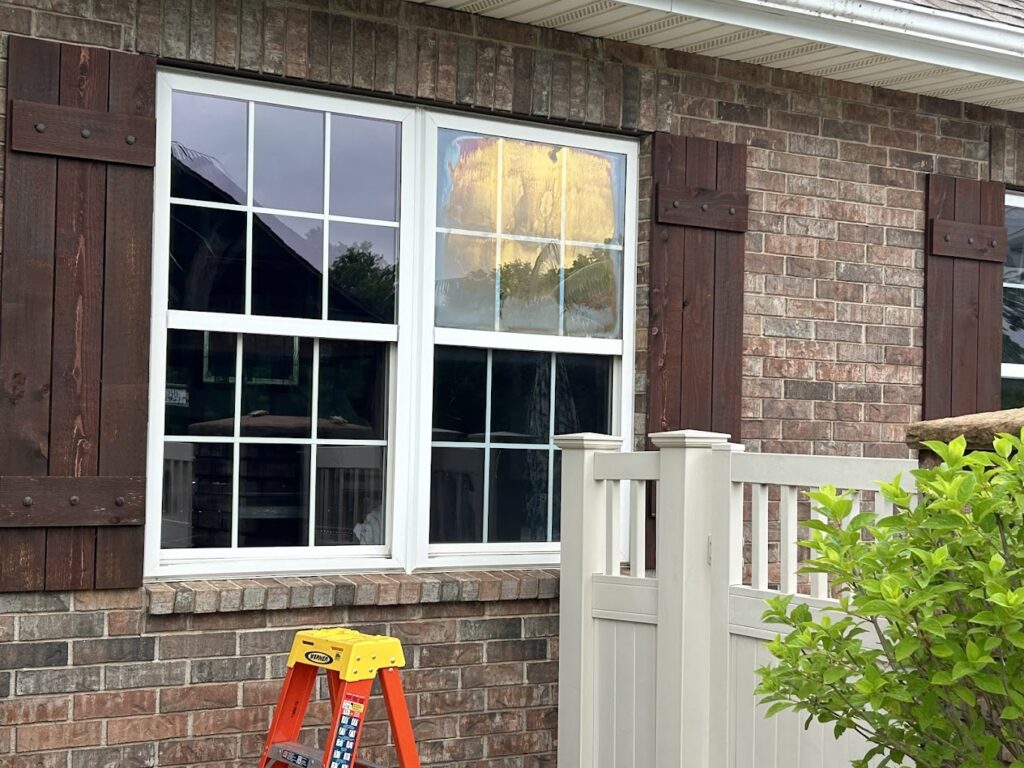
What to Expect During a Glass Repair or Replacement Appointment. At Reliable Glass, we know that dealing with broken or damaged glass—whether it’s a window in your home or a storefront panel—can feel like a hassle. But that’s exactly why we’re here. When you call us, you’re not just another job on the list—you’re a neighbor, and we’ll treat you like family. Here’s what you can expect when you schedule a glass repair or replacement with us, straight from my perspective. 1. A Friendly Call and Honest Assessment When you reach out to Reliable Glass, you won’t be stuck dealing with a confusing automated system. You’ll talk to a real person—probably someone who knows you from the community. We’ll listen to what’s going on, ask a few questions, and schedule a time to come out that works best for you. If you’re unsure whether you need a repair or full replacement, don’t worry—that’s what we’re here to figure out. 2. We Show Up On Time, Ready to Help When we say we’ll be there, we mean it. There’s nothing worse than waiting around all day for someone to show up. We respect your time, and when we arrive, we’ll be fully prepared to get the job done right. You might even catch me, Jamie, rolling up in the truck, ready to shake your hand and take a look at the issue myself. 3. A Straightforward Inspection & Recommendation No pressure, no upselling—just an honest look at what’s going on with your glass. If it’s a simple repair, we’ll explain what needs to be done and get to work. If a replacement is the better long-term solution, we’ll walk you through your options, pricing, and timeline so you know exactly what to expect. 4. Fast, Professional, and Meticulous Work We don’t cut corners. Every piece of glass we install or repair is done with precision, ensuring that it looks great and lasts. Our team takes the time to clean up after ourselves, too—no mess left behind, just clear, beautiful glass. 5. A Handshake and Our Guarantee When the job is done, we’ll make sure you’re happy with the results. And if you ever have any concerns down the road, we stand by our work. We’re not just some faceless company—we’re part of this community, and we’ll always do right by our neighbors. Call Reliable Glass – Your Hometown Glass Experts At the end of the day, glass repair and replacement shouldn’t be stressful. When you choose Reliable Glass, you’re choosing a team that cares. We strive to be the best in the area, and we are clearly the right choice for quality, service, and community values. If you need glass repair, just give us a call—we’ll take care of the rest.
The Benefits of Professional vs. DIY Window Repair
The Benefits of Professional vs. DIY Window Repair When it comes to window repair, homeowners often face a crucial decision—should they attempt a DIY fix or call in the professionals? While some minor repairs may seem manageable, there are several advantages to choosing expert service over a do-it-yourself approach. At Reliable Glass, we strive to be the best in the area and are the right choice for quality window repair. Here’s why professional service is worth the investment. 1. Accuracy & Expertise DIY window repairs often involve trial and error, especially if you don’t have experience working with glass. Improper repairs can lead to more significant issues, such as leaks, drafts, or even safety hazards. Professional technicians have the training and expertise to diagnose and fix problems correctly the first time, ensuring long-lasting results. 2. Safety First Handling glass can be dangerous, especially when dealing with large windows or broken panes. Without the right tools and knowledge, you risk injury from sharp edges, shattered glass, or falls from ladders. Professional window repair specialists are equipped with the proper safety gear and techniques to handle any repair job safely and efficiently. 3. Quality Materials & Tools DIY repairs often rely on store-bought materials that may not be the best quality or fit for your specific window. Professionals use high-grade glass, sealants, and repair tools designed for durability and energy efficiency. This means your windows will not only look better but also perform better in terms of insulation and security. 4. Long-Term Cost Savings Many homeowners turn to DIY repairs to save money, but improper fixes can lead to costly problems down the road. If a window isn’t sealed correctly, for example, it can lead to energy loss, higher utility bills, and even structural damage. A professional repair ensures the job is done right, preventing the need for frequent touch-ups or costly replacements. 5. Warranty & Peace of Mind When you hire a professional, you often receive a warranty on labor and materials, giving you peace of mind that your windows are covered. With a DIY repair, any mistakes or failures fall solely on you. Choosing a trusted professional means you can rest assured knowing the repair is backed by a guarantee. When to Call the Professionals While minor issues like cleaning window tracks or replacing weatherstripping can be simple DIY tasks, problems like cracked glass, broken seals, or misaligned frames should always be handled by professionals. If you’re unsure about the extent of the damage, it’s best to get an expert opinion. Reliable Glass: The Right Choice for Your Window Repairs At Reliable Glass, we take pride in delivering expert window repair services that keep your home safe, efficient, and looking its best. We strive to be the best in the area—and we’re clearly the right choice when it comes to quality craftsmanship and exceptional service. If your windows need repair, don’t take chances with DIY solutions—contact us today and let our experienced team handle it with precision and care.
5 Signs Your Home Windows Are Costing You Money on Energy Bills
5 Signs Your Home Windows Are Costing You Money on Energy Bills Your home’s windows play a crucial role in energy efficiency, keeping your home comfortable while reducing heating and cooling costs. However, old or inefficient windows can drive up your energy bills without you even realizing it. Here are five signs that your windows could be costing you money—and what you can do about it. 1. You Feel Drafts Near Your Windows If you notice a chilly breeze in the winter or warm air seeping in during the summer, your windows may not be sealing properly. Drafts force your HVAC system to work harder to maintain a stable indoor temperature, leading to higher energy costs. Sealing gaps with weatherstripping or upgrading to energy-efficient windows can help eliminate this problem. 2. Your Energy Bills Keep Rising If your heating and cooling costs are increasing without any major changes in usage, your windows could be to blame. Poor insulation and outdated glass technology allow heat to escape in the winter and enter in the summer, making your HVAC system run longer and use more energy. Energy-efficient windows with double or triple-pane glass can significantly reduce this loss. 3. Your Windows Feel Hot or Cold to the Touch On extremely hot or cold days, touch your window glass. If it feels like the outside temperature, that’s a sign of poor insulation. Well-insulated windows should help maintain a more consistent indoor temperature. Upgrading to windows with Low-E (low emissivity) coatings or argon gas-filled panes can greatly improve insulation and reduce energy waste. 4. Condensation Forms Between the Glass Panes If you notice fog or moisture buildup between your window panes, it usually means the seal has failed, allowing air and moisture to enter. Once this happens, the window loses its insulating properties, making it less energy efficient. Replacing the affected windows can restore energy efficiency and prevent further issues like mold growth. 5. Your HVAC System Works Overtime Do you find yourself constantly adjusting the thermostat to stay comfortable? If so, your windows may be contributing to temperature fluctuations. Poorly insulated or aging windows let too much heat in during summer and too much cold in during winter, forcing your HVAC system to compensate. Energy-efficient windows can help stabilize indoor temperatures and reduce the strain on your heating and cooling system.Time for an Upgrade? Let Reliable Glass Help! If any of these signs sound familiar, it might be time to consider upgrading your windows. At Reliable Glass, we specialize in high-quality window replacement and repair services to improve your home’s energy efficiency and comfort. Contact us today for a consultation and let us help you save on energy bills while enhancing your home’s appearance and value.